 +44 773 58 277 59
 +94 777 79 89 89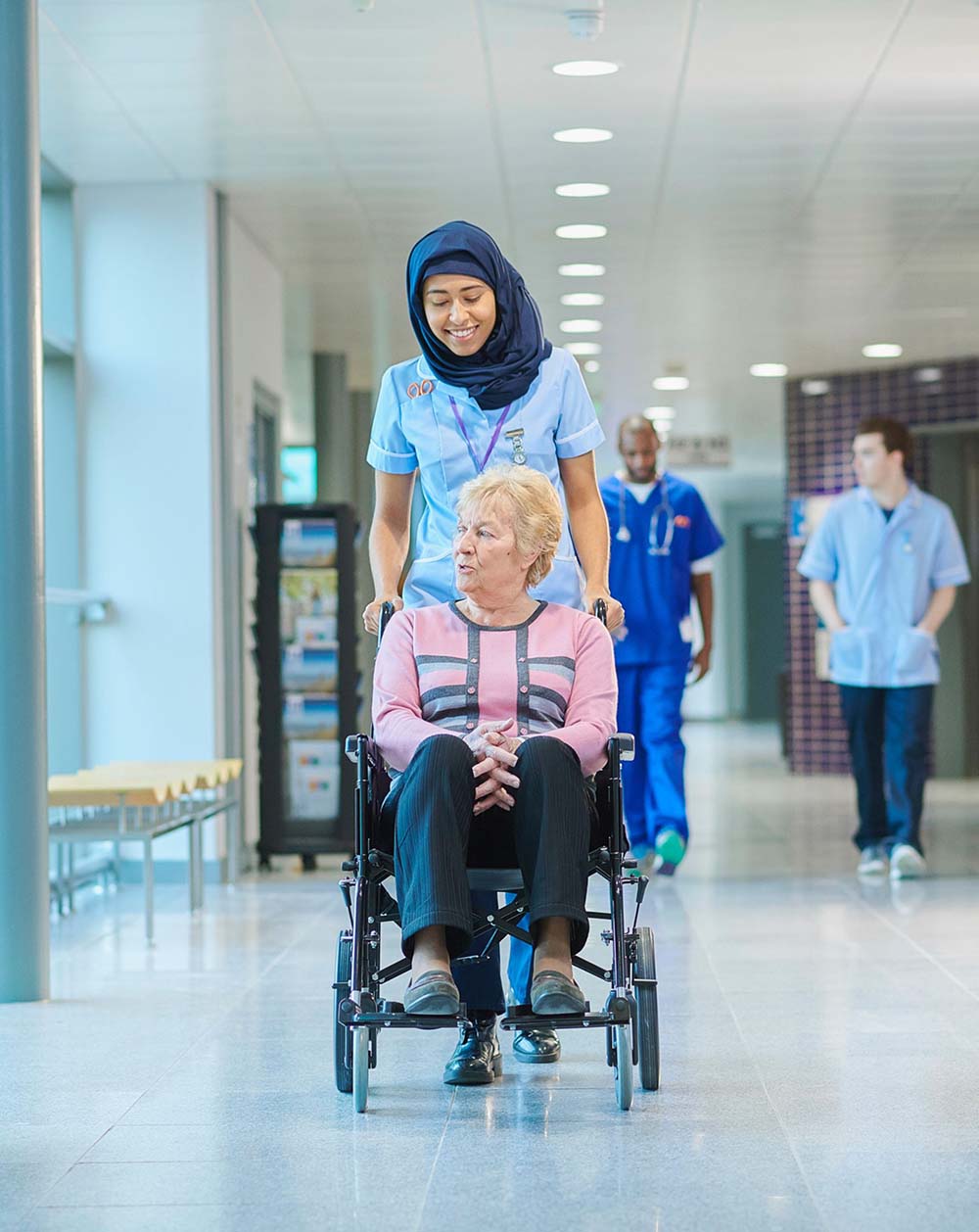
Careers abroad
What UK employers look for in health and care workers
Values, communication, registration, background checks, reliability, resilience and a love of learning: what UK health and care employers expect, and..
A qualification stays yours through marriage, migration, motherhood and setbacks. Learn why recognised UK qualifications give women security, choice and confidence, and how you can start..
There is a question I ask almost every woman who sits down with me for a consultation: if everything else changed tomorrow, what would you still have? A job can end. A business can struggle. A relationship can change shape. A country can stop feeling like home. But a qualification, once it is earned, stays in your name for the rest of your life.
I have built my work around that idea, because I have seen what it does for women. It is not just a certificate on a wall. It is proof, to employers, to institutions and to yourself, that you finished something hard.
Why it matters more for women
Women’s working lives rarely run in a straight line. We step back for children, for ageing parents, for a partner’s job in another city or another country. Each of those pauses is reasonable, and many are acts of love. But each one also leaves a gap on a CV that someone else will ask us to explain.
A recognised qualification closes much of that gap. It tells an employer that your skills are current and verified. It gives you a starting point that does not depend on anyone else’s reference, network or goodwill.
It also changes how you negotiate. A woman who knows she can walk into another role, because she holds the qualification the role demands, asks for fairer pay and better terms. That confidence is not arrogance. It is security.
What a qualification gives you that experience alone does not
Experience is valuable, and I never dismiss it. But experience is hard to prove across borders. A manager in Colombo may know exactly how good you are; a recruiter in Manchester will not. A recognised qualification translates your ability into a language every employer understands.
“Your qualification is the one thing that moves house with you, changes country with you and starts again with you.”
The reasons women give for waiting, and what I say back
“I don’t have time.” Most of the women I work with study online, in short sessions, around full-time jobs and families. Flexible UK qualifications are designed for exactly this. One hour a day, five days a week, is enough to make real progress.
“I’m too old to start.” I have seen women finish their first diploma in their forties and their MBA in their fifties. Employers care that you are qualified, not when you qualified.
“It costs too much.” Study is an investment, so treat it like one. Compare fees, ask about instalment plans, and look for scholarships aimed at women and career changers. The cost of staying where you are is real too; it is just less visible.
“What if I fail?” Then you try again, with support. Good providers give you tutors, feedback and resubmission chances. Failure is a step, not a verdict.
How to start, step by step
Tip: Before you enrol, ask the provider three questions: who awards the qualification, how is it assessed, and what can it lead to next?
A word to the women who are still deciding
You do not need permission to invest in yourself. You do not need to wait for the children to be older, for work to be quieter or for the right moment to arrive. The right moment is usually the one you decide to make.
If you are not sure where to begin, that is exactly what I am here for. Explore our online courses, or book a consultation and we will map out the right qualification for your goals, your budget and your life. Learn. Do. Rise.
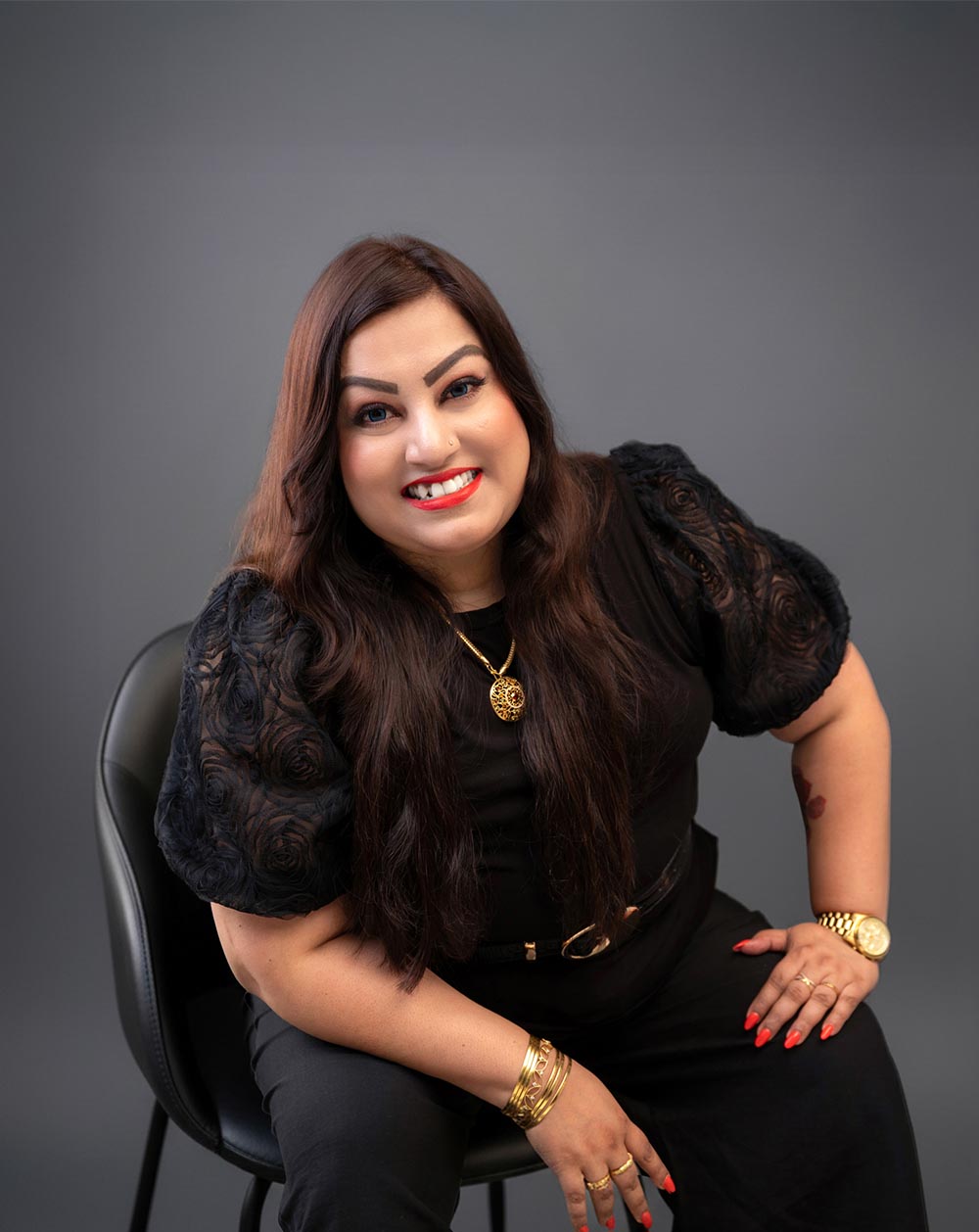
British entrepreneur, educator and founder of Learn Do Rise®. Asiri helps women, students and founders in the UK and Sri Lanka learn a skill, build a career and give back.
Values, communication, registration, background checks, reliability, resilience and a love of learning: what UK health and care employers expect, and..

How women founders build trusted brands between Sri Lanka and the UK: a clear promise, consistent identity, founder visibility, portable..

Look beyond league tables. Compare course content, subject rankings, graduate outcomes, full living costs, city life and student support to..
One email a fortnight with my newest guide, an open course intake or job opening, and a note to keep you going.